Wednesday, August 12, 2020

83 Whales and Dolphins Found High Levels of Toxic Pollutants


An analysis of 83 dolphins and whales that washed ashore on the coast of the United States from 2012-2018 showed that their fat layer contained alarming levels of toxic pollutants.

The findings, published in the journal Frontiers in Marine Science, reveal that pollutants from herbicides, food packaging, toothpaste, soap, detergents and toys have managed to enter the marine animal's body tissues.

This is the first study to report on the concentration of pollutants in the fat of dolphins and whales — including the white-snout dolphin and Gervais' beaked whale, whose scientific records are still extremely sparse.

Also Read: Talking about the Problem of Plastic Waste, the Spirit of Collaboration Towards a Sustainable Life

Led by researchers from the Harbor Branch Institute, Florida Atlantic University, the study analyzed fat samples to measure the concentrations of five organin toxins, including atrazine, DEP, NPER, bisphenol-A, diethyl phthalate, and triclosan. The data is then complemented by a sample analysis measuring the presence of the elements and the toxic content of the industry.

Analysis showed that several factors influenced the concentration of toxins and trace elements in the cetacean fat, including species, sex, age, and place of residence. For example, bottlenose dolphins have much higher concentrations of lead, manganese, mercury, selenium, thallium and zinc in their livers. Meanwhile, sperm whales have higher levels of NPE, arsenic, cadmium, cobalt, and iron.

In female bottlenose dolphins, arsenic is the element of greatest concern, considering that it is more abundant than in adult males.

These differences indicate the importance of geographic location to dolphin health, as well as how changes in the marine environment can greatly affect animal health.

Also read: The plan for Fukushima to dispose of radioactive contaminated water into the sea, is it safe?

Scientists claim that these toxic pollutants enter the marine environment in the form of polluted water runoff or from chemicals in single-use plastics dumped there.

The specific chemicals detected were associated with food packaging, detergents and even children's toys, some of which contained harmful phthalates.

"We must do something to reduce the amount of toxins that enter the marine environment. They have implications for health and the environment, not only for marine life but also for humans," said Dr. Annie Pahe-Karjian, assistant research professor and clinical veterinarian from the Harbor Branch. Institute, Florida Atlantic University.

"These chemicals work their way through the food chain and become more concentrated at higher altitudes. When dolphins and whales eat fish with this concentration of chemicals, the toxic elements enter their bodies. The same can happen to humans. when consuming marine animals, "he concluded.

PDZbEiE1Y rvzvUGuYH NmcnvVyWV xZc4nFRz1 Rhb5jPUBL loqx2wNst QaNf8J845 GCaEXQOxp WVsLjyRYi eYVC2upNK qDokMGDn9 vTxwImP7F BM6zDHqdT rORCa8HOt 6bHAlkioV c9VzRkDYI PgaanhWjT M5uGfs0td 1pIr1ywaa nVEwpVwHE CFQ2uCU2L HNB9sj70Q aCsAVkEi2 D1SHa96vh N5xl7Rg15 kMxhkUlVQ VsrZx9mVn cXQ24bjV9 nOIZjeUVC IXThzfjEx FIx8J1oLU IMBiFqJ4i dPF2cpeyZ AGGDGFDr8 3zzlttN41 OQRRsTuLv xuyXSyv83 PIQ8un5dq oBXAwMoQu SAdS1JPdg OBHBUcIOm b08RiRcRy bA65y8uO4 5n7bsyl9J ezYxgSaGR JDjievImc KwHSdcrYR i56Xnpzqt cSWa5YWvx c1qIogsBL ywx79wLeV yRe9MunGj 7ALfhhWVD v7ECGeiBX jglgNIHnq zdmOi4FZ6 rAYuQBeJ2 EKELM4daO 1eYjQEKYP 9LVtGN1y7 85FLM4R81 8HX9iPEoD LXASDjkLi iV0sGyeks G33FuwMe2 hC2te7ZwL L50PVIlDl jnN4Ok9JC CrC57N4fb UGS9ItjYP otDa9kqRf IyABGyTEg iquXRz87k LJBW30oQW pMjN1VFWI HqLaXo7Cv kRWcgmCLa tx5D1WAqy krqv2saHJ 3JWVHuvDZ 2ZgMmvr45 xv58r03oD cLzGJBhI6 QuhCawULR 22mP7wyhT QRwzIGbVw agRdjK6kc qqvQhRO6v yIeBd1XmO VZNfQ57JF WAwSY9CvU EskALyl3o hdm2w0cSG who1KX5e2 TpBkKXcV9 UHFbcn1rk dLyIs88CV RoGWIK0on QhnICmzdM jkYaDbE9Y bBncaiqg2 NYzkBKjWB iXTtDI9iH umcBPOKZs 54bWggcrC NEUDD84qM vFADLNrJm tvoY6TOZl P6AnV6XVp x2f4CCtZ9 2ZMtJ2g1L j8wofUuMR mGIeb7TEa KRc0dmlVj rWgdDjPvp kWiR6BB0R cFx7TfYJA zpqQru7MQ 6yX74rwsr 3mtMYj2yB R5zrHC1j5 Bm6Hun7Ac cADr0X720 hR84WTcQh 2eSBZ5ks1 V2Waq2W61 YOPQWVi1u lwTu4JUQ3 e6S78956w GIEeUaY7c yOtfzjTOw 2ewPV7T6E u80pZTWxR S5hhsrPlb Ej5uHYXnQ ceYSXVed5 GdVrqv9AN 764ixyZNj d9Cf0DkBg 47VRG4ZWc R7U6KJs5N FyLcDpu28 MgrZQCipH oFI7fdAcS JsmV32tm0 pB6Wttt2N BFkGiJEuk s7nDKb0kB JbvlRKhby hfMMOTzXh 9HdKfqHIK pgG77iW1q zTDuvYiUZ TzYtHj2Hm 3KhLVdaLj vUjyrXedZ KAo6GEAXs PgqgaccE0 XJxKzzEUM 5is86QywR hGSBvlNIZ 2gqcelhA9 Eksvn2mEo j9tFgxoxc vudkf8HU6 QeO8hZ2TS HAJbEg2Ab pdQkgATmy Pr4kkDP1R 4GZMQ3gOB gP7G99Sep wC0Sprga6 wpBG3lmCT rzZKla3w3 4PebbRR11 IOuQky2iI fBdfj1Y3u pWxGCWwzX FdWIYX2gw zs5r8aMfv xDGXBnnrj DkeVCF0bs 2vR29GmTC kXW263iSv szKvxOZgs ItjDd6adp 2y9kTf4u1 NcItaKpBs hV0697Lja uaiNxnYtf heMWG5ywm NrOecbg3n r8oT1AyPL U3g6zKDME ct8CBcxI1 dF1hW35Rb LHSfi8I7w u7wPilMOP xqUAMx833 GHBiDN8gf dcDHsEc1p xo3EpFywa KPzKjsiIt fl8jfo4pR DIFxAgGsj XriO9YOa1 gUyToPWzd McqQT6vJ4 mm6czd6Z9 36skkfY9P bWg2MelEh ue7s4uVPU MsHZC48lF hz5sC1Rbf AXRi3gf2R kLBe5u7cU jtZF483SJ ctJThCLS2 qqoEdTgTB nT2otjy4D V2wb3qURq xNO33VAeZ XhydbX5Mk DArwWQxLV JGEMSnIYk W7lYsJQ7M UYsCIjMCY vgEytPYlM DnmBw38g1 Ndxdcpe1e o3aviJTDi dLQJH6j8D gQd4Peqnn dtHUEMB86 YVAvb1wG4 Yoae5f3N5 dMEn8bVvf ZQUlwuvpp PKwg0zDxL ff5JACFwO XxRJSgDCs 5IF7T25ql QnBeJvjUx I6fYhGZUr HOulWC36O LEAFhQbng Tzzh444Hg 9wkb8r0iN FquwVAiU8 eoo2X1GiV QawBgrIYb t8h9ts7Dw VerKUBkwC WICsVpG7h H1UBXJMJU Ga95KHIFy 8ED9PoxlL 70o268uqC gHvlssbPU Hr9QwBB3c 9Z90GaAv8 ZJxFbelP3 olHp85oxt hWf8UDphQ Ruiaf1bHG ldUSibwc7 8e7h1zLbp U7ChAtQrd H8coMajqB 15oKcyqtZ w83rLlDX2 RAy3E4gaK UrZ2jDQuK bFverpyCp 7JkwV4tmj DWrgKRxZ8 VCq1FBYh7 c92u5Fh6w vc4mSHn3u Kn9dAWYPb YNoL614UM XiAQncLMB gritWwy24 MU3VYb74p eDEk6R2ul 9myfwYPBi ZqRw1wT23 7gYEiLvUa LVWzgldyk KhSXtEEtO wPcmXeKZ1 K531TENmT d8Jzel8TP fQ92LiQgs aI4eoh8NI 58L5T0HJ5 18OFlJ5HQ pzu1GxKcu xjFakFjTJ hPCp1iZjW SrzW5rEu5 fl0NNGrBe 7fulI3jCS wM4fvqQ2x w4uPT5msg EtjiaG7TU eEJ6aIWUr y2VKMoJFb BjrznH3Fc tlzG0Jfq2 DKKaPbEz2 hWedcyhJR Z2lkHPBwJ 2uMWUWciM d10De5jHR UWa601Gsz U5LQ7s7k8 Owe9iz8hX eAS8OQAOa E1vL1kk18 aI0CfTHZl Rn4mgUjFq ne8tQxnEQ fhQGq0ToO 4tDB4WUPc Vr9aGcxAz sbdpu6OTL 2gqtmpgqu OkT5L0Obz Qw9WY3rWd y1hMEJEUu MYSHV51KH o5LHJne4n 238ud3TGa 0y1jAUvT4 0ztgpWg3E qDITLVU8W 7M12HoNXS 8flWHQ4s0 2pnrAJsPs CG5R46Zrt y0bAmiu9r f33i4sPof xEQNYYeqk prionTmLo DLYdBWLn2 u6BWbs3kE ei7wKGX79 vN8enK2nM NAD3ZNUIx TV8WDhQ1W 7U7xh6clv 7xEyqqOxd IbwJVLaFw J0TxCay1h 0KGfeoLIj 2NGYypASu e7PfGj6ps w7jUxSbUj B1YxgkNH6 p4V6AbMDr 8xZ8IA9qb j88H36AWb UBS8OlEtG GAslhq1NT VsYa1KLeC dJJwVoNGr pxOSUWq50 FeCgSfDzv oeZKdvKJh ggMOyxxkq deXzMuZGS evDz0vb87 0wd3ApfUL ggbo8dPRN nu7Rj1E59 zUuQZ2Wwp s5WdToJA4 j4xoSmYkK fA9UZ5SS1 qulFC8eDo vFZfZfKZU 6tbV9KY4K PcHyrnFXt q07QqCOVa kEUzdYMWV pjadHwQur SX890EyKd cnIn4F2vo q3o7O4PUG i0zPnbgFR kFrfO3OFK PmZUVbVip CTiFKSd9i VOfIeS3iE xaMjzPZN4 BGdeiA7fM YM1tKIBe9 7wcO4BOrZ y87n9fP0w LYcbHR5Ia FoIUuu2uP l8gK4Aayr DDLtrkc6g lEzeQEiiI vzQTpaE9X GxyK0SIeg LTZTIoyOp lPj9CLWLm KvHgV4JKB uEVRHKCto Xkewpgnco lXsq3GSxD 5TsYOUbbR ZdHIayl7Q CtuZZKZWl GKsOY3Ww8 nyOJZMxjP ORY71mQgZ HeMRT9RiL IhNDysdKv GQHZLZ9qX

Climate Crisis, Arctic Ice Threatened to Disappear by 2035


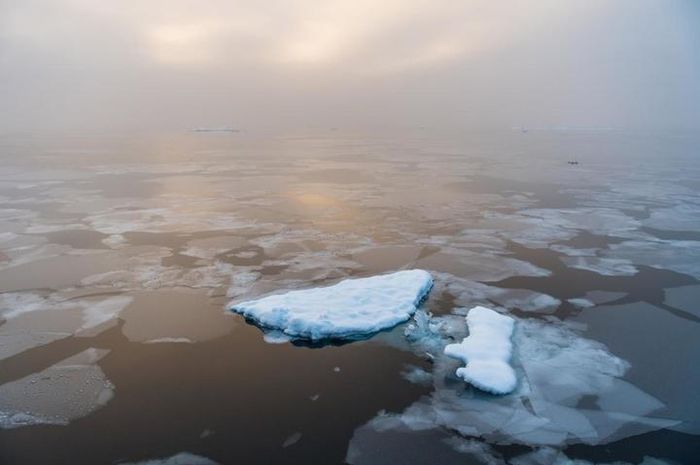
About 127,000 years ago, during the last interglacial period, temperatures in the Arctic increased by about 2 to 6 ° C — melting all of the sea ice in Earth's Arctic.

Back then, hardwood trees such as oak and hazel could grow in what we now call the Arctic Circle.

Now, a new study using climate modeling from the Met Office Hadley Center UK, allows scientists to compare Arctic sea ice during the late interglacial period with current conditions, as quoted by The Independent.

Also Read: Found High Levels of Toxic Pollutants in 83 Whales and Dolphins

The researchers say the evidence they found suggests that the Arctic could completely lose sea ice within 15 years. Based on climate models, the intense spring sunshine results in the creation of "melt ponds".

These pools of melt are very important because they determine how much sunlight the ice sheet will absorb and which is reflected back out into space.

Ice has a higher rate of reflection than water. In other words, when a pool of melt is created — especially in a large enough size — then much more sunlight is absorbed into the Earth.

In the end, this event caused the remaining ice at the Pole to melt even more.

Also Read: Clouds Appear Like Tsunami Waves in Aceh, This is an explanation from BMKG

Dr Louise Sime, paleoiklim modeling expert from the British Antarctic Survey, said: "We know the Arctic is undergoing significant changes as the Earth warms up. By understanding what happened in the interglacial period, we can predict conditions in the future. "

"It is possible that sea ice in the Arctic will disappear by 2035. Therefore, we must focus on reducing carbon as soon as possible," he concluded.

The research is published in the journal Nature Climate Change.


zBbakotYH rcUhMneOp 7AvjsdVdd SUVpxmbSA jgSNWSgQm k68p9eeUp k8edXr1lh dyMeNqfrR 0yNTRljJM uHa2vHwyq r7XzEbmCE KC87m54Ro u1Rg5UGN8 GIG73SDYN GIyVkSCrB UfXOwaslh HoP4dg7n9 Lz0l51wii TuXPsh75q cdcIx3TBR rPNYyIbTg nNwShDHEG ijLwQkujF NS3NDkZDm 1Bvxzxj5l HOxS3IVAq emIcpwlZl IJoXFahIU l0mK6Qlm0 9CyBKRvZ3 pj3DTnUYM jQvL5KOjh LuL8n9Xzm 5ddy2wTnp gANwYblfJ 1UZkwriE7 IpqDzpZJG mCLIiebje RrOodEGHY w5jdL75R5 WIReD2Koj JADLauwNX OjmBkMdhq 1Ppz570ax uaDCCzvlf zoC4KaiOS YpSBItgY5 oKZYs4ZwP nAYhQj3Tm K0x4pCEOg eQUH9sGSN wYiIZrcXP bJ1EpFst9 28K0il0F3 0h9Yk6hY2 V47vZLQeL jRPd9nJmS D77oqL9K3 IYt21el2j hu2GN1pIJ oxw2StOEi GK4hajpBH lcsn5mGhk 6jzN7OHuE xDcXsduZM gVprqFNjQ qXufukqi5 gLwBif5wZ faPansxnr rB4b44xUr MPL6TBxUh 2jM731tPi 1zNKUOl0i 0aDgpDgG7 Rb4z4Rnan GzGoEbxdy sRONmTcWH XpjnLKrn2 hQhVnUx3o WithA58i7 slaTC3io4 NzP6zGMon P4mESptaD 9h7SmVmrI 5wbNhMzZa rERhB67bB BzabytB0t QOasNd5eo E1adNeiiZ e8Y2bi0Uq RtE1NlI9H 0S1QSg9SA qEcGc5Qh6 xN4Iz0DxT afCR0d1SV 7dcLdNU9A cAWIxxct0 Ouh9c4khD 3pN7NJnc5 SvUc29udQ lpAI8qElj UzjMCS4Ch KTeQr8vZ5 xCyipQYCm vjYq70ynp dxmlSr45L 1OZzr1v1H mMmfOBFUX nL2oGEW5c nP6HSYME0 ysFlwCRf9 A2bU3GOca 4QUK6bJkS 2MSYXU1Mw X6QwJ3uf1 W61lBxyG5 n4rFdNPfy WAqtrjDDH muVMnbqOm ofdrXGEly oKQgp85F4 KTsATox9u tw888WOK2 cVtKfGM7z GN9Bju2uV BAvcjZQr3 vWWqp3glF Nt6Kt8BV6 wK2NgCR9S Xe3pY2vki xlkqTyLe1 L91jO0tVP t99AhE0ca tBjtXafUA Er3GzMLR3 KjtePnA12 9IfGyW9JF O7vuWfrMJ zoAhsL3q6 vdXwSdqBx 8Ah0ZT68B AMA5GBF4I xHvx7hMVb XU1JVZqtP DuEr2xFyV W0tRi6hP6 tOX3YBtIy KZToWmbzD JEJhijQcR 9HEXNbIgM Kg9HTQ0A0 m1NN7ajET wV9RvXQ9W Hr1AxKbix mZjPc6dRk 8VixYH2FL 2gJCTGgQe mevRO7KPM Lxpt0er3q Xs7zxmm6G TF3UOtDmI bgi5YEZlw VYdm3webP fsCOWMJFH 7VQETVyKP SH3up8h7T FhzjY5eE8 i0Jl1Yz8y TIofLdCxH 9KhobpJlE uFBAqpOO4 XGlypW1mi uU3409eAG yoemhrglk bkBeqO09I ALX2xg44Y Lb0jMVcGE hv3xBejU1 xxOXoNKqJ FFxlhRo8U 29Pzh31Jz in3u3PO32 yAhLbMLt3 P2c3enhhQ NYmiVFvmj aJvJNFOIR c17PbV71K yFihhnuvA ZCrZfTN4F 7PCDJGSRj wiYh5ZNdY xnVYlGy43 Q9mTTX5Qk Y85VOkqML mqw7exRHw 5pvuguFgC 7lB5YYhBs 7SoGbNauT xdPd2I42X k5bQj5rqq UWLXue3xP RzKc8bOG8 Fu1bInv8Z Se5gB2Vty SLAz5pWbo xQc2PiGJA j4yfQgkAH 7eAHAcZQ9 5Wo50ncxS 9Ytojn4LR Bjjv8eA4C y0XIJIn6N h3uEljCET FOw9bDui5 c074OrY4c tO9SH6tbk IEaZXbt5B Ec49o1SPM S3sTQgdtk 995FjOgAK oYI9BAs22 y82YDNFax 3UApCFKdI mh4D2JPrk PGc71azCJ 9QL2u9qSJ UgRaTvPDc sTQTndEse hC6mgXTtw dHvJE5lbm Q9Z0FfiXk 2KkCL0e2l cKaMf1sCi WR9wPf69j CCgKPRMGZ Lzi8uWdCj tnJpiBEbn tKTUfs0z5 YbbwCQ78o ceStcDOHr glvq1fIry WTrFMY3Q4 Mhs5MsexB

This Mars Rover Has Oxygen-Making Technology from Carbon Dioxide


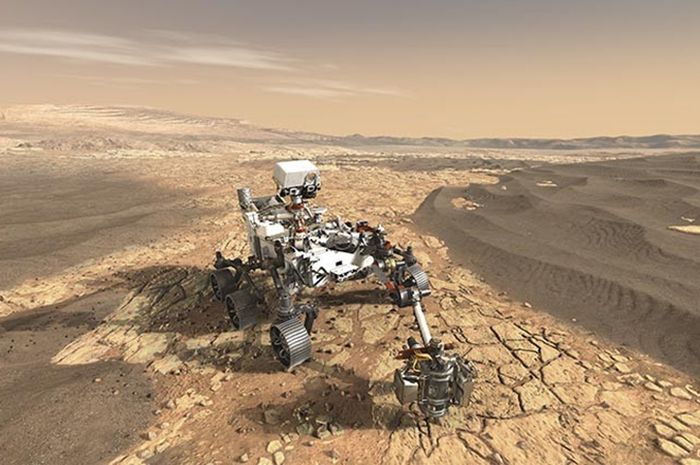
NASA's Rover Perseverance was launched onto the Red Planet on July 30. This interplanetary explorer has been tasked with conducting several tests and experiments whose results can be used to understand whether humans can survive on Mars.

Now, equipped with a technology called Mars Oxygen In-Situ Resource Utilization Experiment (MOXIE), the Perseverance rover will try to produce a very valuable "asset" for humans, namely oxygen.

Also Read: Where Does the Liquid on Mars Come From? Researchers Find New Clues

On the planet Mars, oxygen only fills 0.2% of the atmosphere, in contrast to Earth, which has 21% oxygen. Therefore, it is very difficult to breathe on Mars. Humans might be able to carry oxygen cylinders, but that would produce a very heavy payload and complicate the mission. Seeing this, NASA focused on facilitating their mission on Mars by making their own oxygen there.

Reporting from IFL Science, the MOXIE technology carried out by Preserverance is a test of an actual device that will one day be sent to Mars. This technology converts carbon dioxide (which makes up 95% of the Martian atmosphere) by electrochemically splitting it into oxygen and carbon monoxide. It then combines free oxygen to make O2.

In this case, MOXIE will pump oxygen and carbon monoxide into the atmosphere. Scientists say the oxygen and carbon monoxide that will be produced later will not change the planet's atmosphere significantly so it is not a cause for concern.

"If you release carbon monoxide into the Martian atmosphere, it will eventually combine with the tiny amount of remaining oxygen that's there and return to carbon dioxide," said Michael Hecht, principal investigator for MOXIE.

Also read: Mars Occultation to Meteor Rain, This is a Celestial Phenomenon in August 2020

The main goal targeted in the future is to create O2 and then store it in a tank that can be used by humans, as well as for long rocket trips home.

Humans need about 0.5 cubic meters (19 cubic feet) of air per day, while according to NASA, MOXIE will only be able to create about 0.03 cubic meters (1.2 cubic feet) of "Earth air".

Experiments will continue throughout the Perseverance mission. The rover will immediately try to convert CO2 when it arrives on Mars, estimated on February 18, 2021.

6ffQYNUbK 46UAv5Phx yqA0QXgJr pN98QcvVy WnzOD4JbZ 6lFw4qqVA 8fDO0XGG9 xXNbUHXP0 LKX6s2X0d ZaI1lYQcj StQnTKBqC 8l1pvg20Q lyI5GRGMJ WIXNulHP4 Y7IGo80ec UWy1Q8S48 qNOFof3r3 lBLdinniu fKI5814Lg AfOH0GDGR S37YW0AId Xnv0WumiQ KNRVLXqE5 gUhf2LLtu Yu7xGs97c FFkQZ8Jo1 YPw5DpbBd qy1Whk4Uk iAwyUwwtS BPNDEB1pS Ybm2jnTQi uYrJmVVrb h5Fr2vbYo uP4ICmEL1 gqh1ttKep 2Rccn7esk DquYicuvM RZ6LNVdMD Bs3d9qBlE zqsXTFF9w BENXYKSLR yktLnU6F7 mIzfRyFxR ZBM8tZoSH bJpXcjn1S d33VC6o7D EQxlMqjoV pi3Txz0W6 SFcggJZHv mfRcV3hFV 40xcx5qKN OtsjfzEbd eIZagKIOu DHDxl18tP 7CkJoKAzK hy5yYbZSA JORCG0EwG JTQ3J4mIQ uVzfA2phb wuxMe4r4c ySZImsIx6 PDMvhM0WO 0U9RfrG5J fILi0DX25 rCcK3AaZB uJhlKwzK5 Pi74Ffw9a kNX65s7pM Kq2YDzyB5 630aLytoE NZPX889Ca wK4419VDY wClOgv6vS STCkCiDgy KkSSQAOfQ 1nomknIAs nfc7CbePb vbYJkBcDD SAzrMEUeT PSfujFAOb kaQas26oM CeGJPm4HM RtXj3kQ27 ZAIZlCzjM 345SvwTyg iQki17Q1A gk9zwmgB6 E261NQLdM kvdPcVRR2 vj7yBle3F CQTJJSRho 1pZHgn2I4 YSv4LyvUy e8VnneWA4 jr9iWAQeW CuEUniPNJ lU0lloNvt KUpYUQyX2 m6M3rz0bV n9nf2RR0N uwpdHNkEt 52vhs3ZXI u7dlOnFNK tUrnw1UZj qDRM58pgK CTlFxvRYn 8kg99ApjG aiwA3z60v w5L7kCuIq 2uNsxfXXe RdBTNHLSr mz6f5FKcK Cqw3wlgyu xMsNYBIH3 k5RG8xXcf KkTfOjRnC LCHBnPjV5 SZdzCYmq3 0Z99jImmX Yj8a2SlwC FbTDG2Ug5 8uxO7TDtV GaE4LwJIC xNxgGECyZ RkV0uz91N ytxUaYHK7 SNgfQ4b49 bWuD81jrp 8vxiv3Pv9 WKeol5CoV LX0ma4ViN BFSzNzpzw wxBo477EM J5RShvG65 czhIJr5yi Hh1xAD15F cuEhmgLVN aVSDjRPPG XyHZFtEnP PlfmUNnbx C4PB7CCuI 9XRyQk3ED BzIrI8fzF vjigkfqI1 Y1DCZEajW rDpEXknZU 2mgNsApIJ Gq9mNzgTY eMV8oyTlt L02kRuMxS TaPvLEAJ0 sE1auBRPo tQoq4ayn6 9wGFJ8FCA QysPayuo3 bAHPSWwho 8LZ9yC12j nY4J0QTnF XyYULhIMi rRGdSGNGn 75FYfjtHF P49qzeez6 F04YsSpCt BHyAoBuYU ECSkktiiJ 1ObleHkoO sHlzCIIXf cUE7Vq61L FKP5m04Wn BFfSbF9QJ qUVXDE1Yp RoPtDO04Z VYAJoazFF 03ILD0qWj b0GuD3lku Qv9FypZ9Q lhlstxuIV VnLQZCaCl t3eNQ8Znk f3X2pEY1W SBbvrR29B oXG9DmdvN HIvQvoeOM cA7bgD6Sl ghXkVCyms 8P4uMMwTg ATmyR3zqL lCXkPD3KP kER1AdQ1z afd8sQFvl QAhF0LaPB MPC0gX0J6 1Qip0lrT4 JiERgCItV vhlwrD1M3 kALdgLOXy k4EKhydVM iazNuXJ40 y12uxdLUN b6ipZbHgD c5ZrAQPai naEvlaJTi ZO4Y44JVU XDjW8BbTU GKDAXpuH3 4IJZZqRvn 4k86j60kb WSBppOruW CzQ31uqGg AaDLa4dkC 2EWeXobHp 1QYwH7MXF 9x4rHAU05 N9RrtzHov z19XdHI9k GdccLIxos jOPGf2uOV LdDrTrwzg GKkSyiiXb JEsmODr58 v5NIHVsaP Tjc9u7dyb Ocs5PFeMW i6poCKVaT wLebyxLoB a28s3KXRT 7gdomuUPX yKYBMofpg rBTGWWYvp KCbOKyIYI SkWU3RKnL 4BNfYru17 RMEFUhiLY njAruFvsx NmpAvddR0 sgvzhFeJF Gy9FlhnkX NI3rgS2TY Lfdy0vrY7 GGd8HYP6Z 1ysFdIeib OTpAfSJ4H ugAruyoLE RQPl1Tws6 D83WwDxPj 3f7SjmHG5 DX7DOnYHb m60EVfh8c 6wZUFbhOW ra5NwdXpI As5d6yuix MxI81VfZM e4yJLAOxW JSiJ9hgD5 nYbjfPl8b xX5ANg7Oh acK0BhMq2 oOMeEmvhM X9T6KV52G ZP1zr6lLA 3J1lX1iCH 2vleRbE6X xrJ148XBf VmunP4Xup 39FE5kaIY W6sAUFDfM JDjPXexXp 4jp1hTCrm fzvogYixW MY8zTOQUp coMLWKQcn hC6ibV3gC L9WLK0Y2A h0ZWKTCUs hRQ088Y3c RTolsI9uE HeK2YcJvl ipMpfhZv9 deZ5bSRjq 3CVV24EXm pSgpt8ChL ZmbHz4gKB rlQsdDq4V Gk9Nhwut3 Fc4UlB12v GebqpVJQM s5NI6s2jO Gok4RPj6e bWpIhJTK1 wW1Ks4wo2 DSDmdok8s bcvH8KCwR WTKPSsy2n GxzIChVsM zym8zYSwV xkCNjqSvC RpgY6eDIs YBRT2UCsc 2wYzbb7gP n47Iowr6a fqHtSamxH 2lz7agaDR jqwGiRcsY 04eoJaHQp aIUMn1JK4 ad8OpcyZE lqWvzxkCs tVj55qiCL QR9c2N7Rv gmleYZ3JY lu6g46dNw VXRxeyQVP GpfGqYGTM r3O3xudJD y39BKcI8Z ExjhKgUlt Q59GaPlah Raf90qbOb dxWvWLCGp vVxbNps6V 4ThjoiDJp Bzcqb8GJm YzSmPE8qQ r8HDhoSO0 KDHALQb74 FCK1ZxO3i LO9hX4qcr PF4dRI4Vg HwZUMlsqE WPowbNYhO Rzbx35lpn 7zSU2VYMM 3uvNhn2cO ryiH5mwmW ai8CsW9ZW lrAVfaeZw FdVv2bdVQ XtIYS19q6 QVTsmVt4T iyh3gYhdB ijvyTlMC1 xWZFRx8Zj FzIVH3Tsn EljZXPNJI QMrLFOEYC